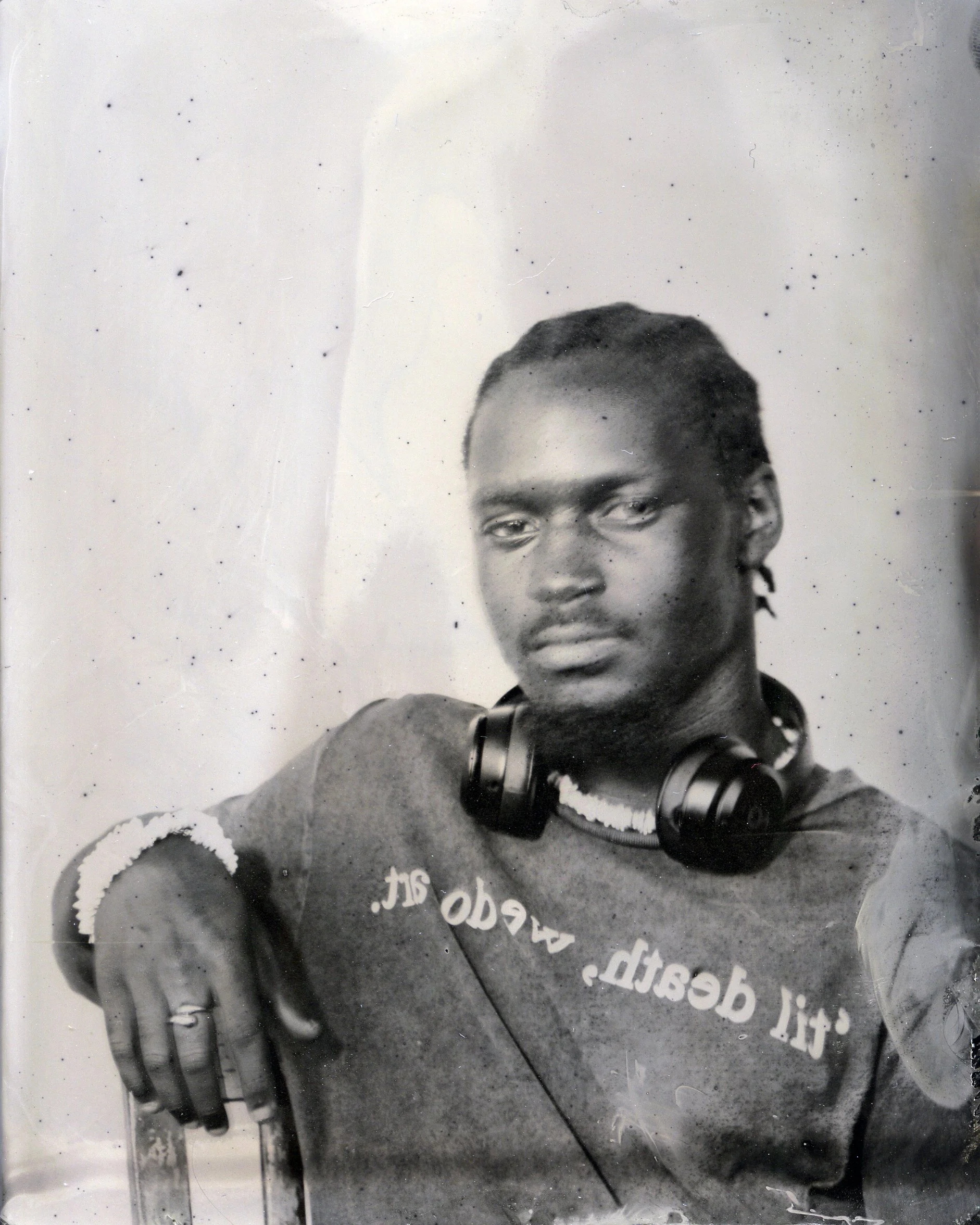
My alternative process work includes Cyanotype, Salt prints, Anthotype, Chlorophyll printing, Palladium, Tintype, and Mordançage. Each technique involves a hands-on process of preparing materials, working with light-sensitive chemistry, and developing the final image by hand. I enjoy the imperfections and unexpected results that make every print feel unique.
alternative
process
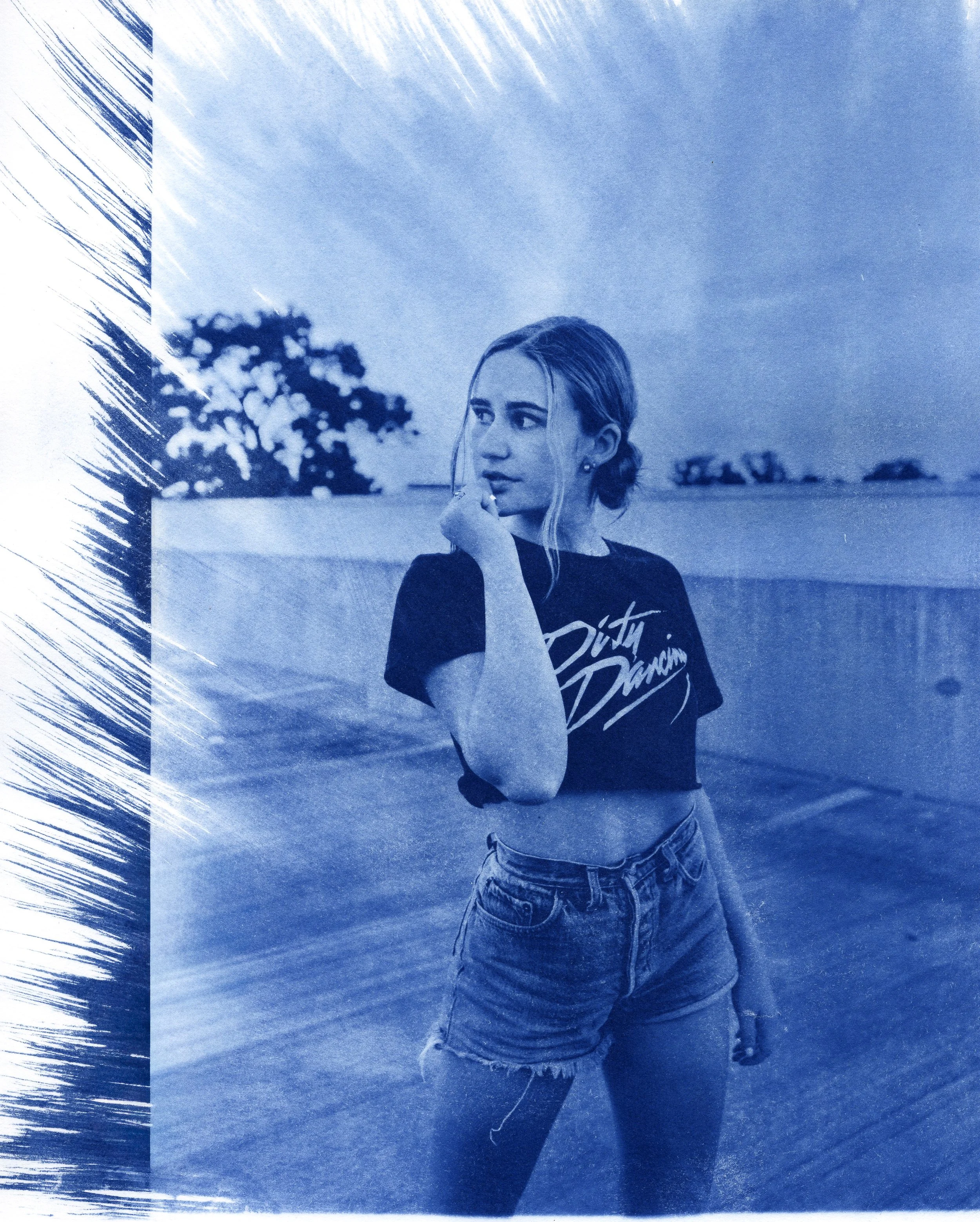
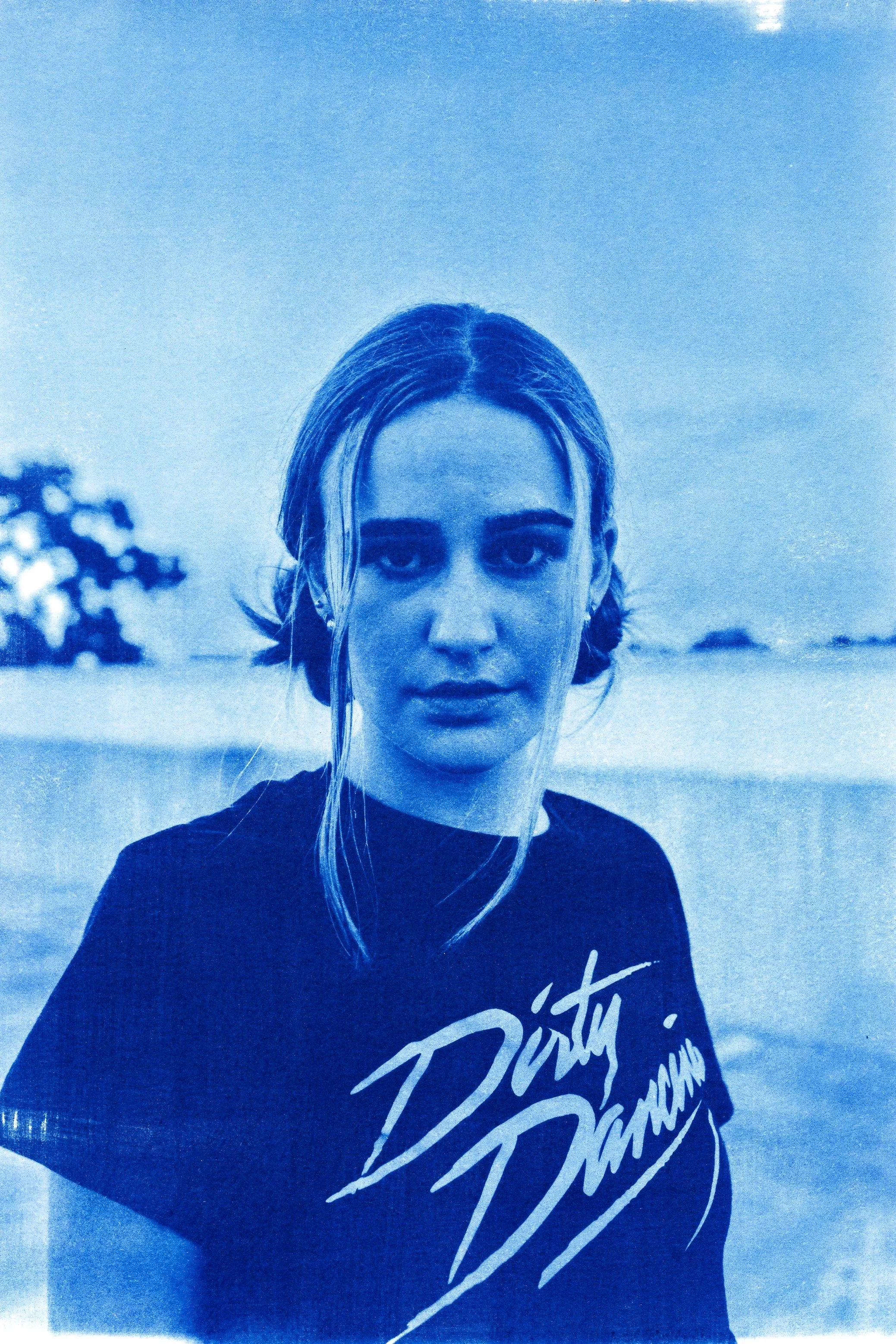
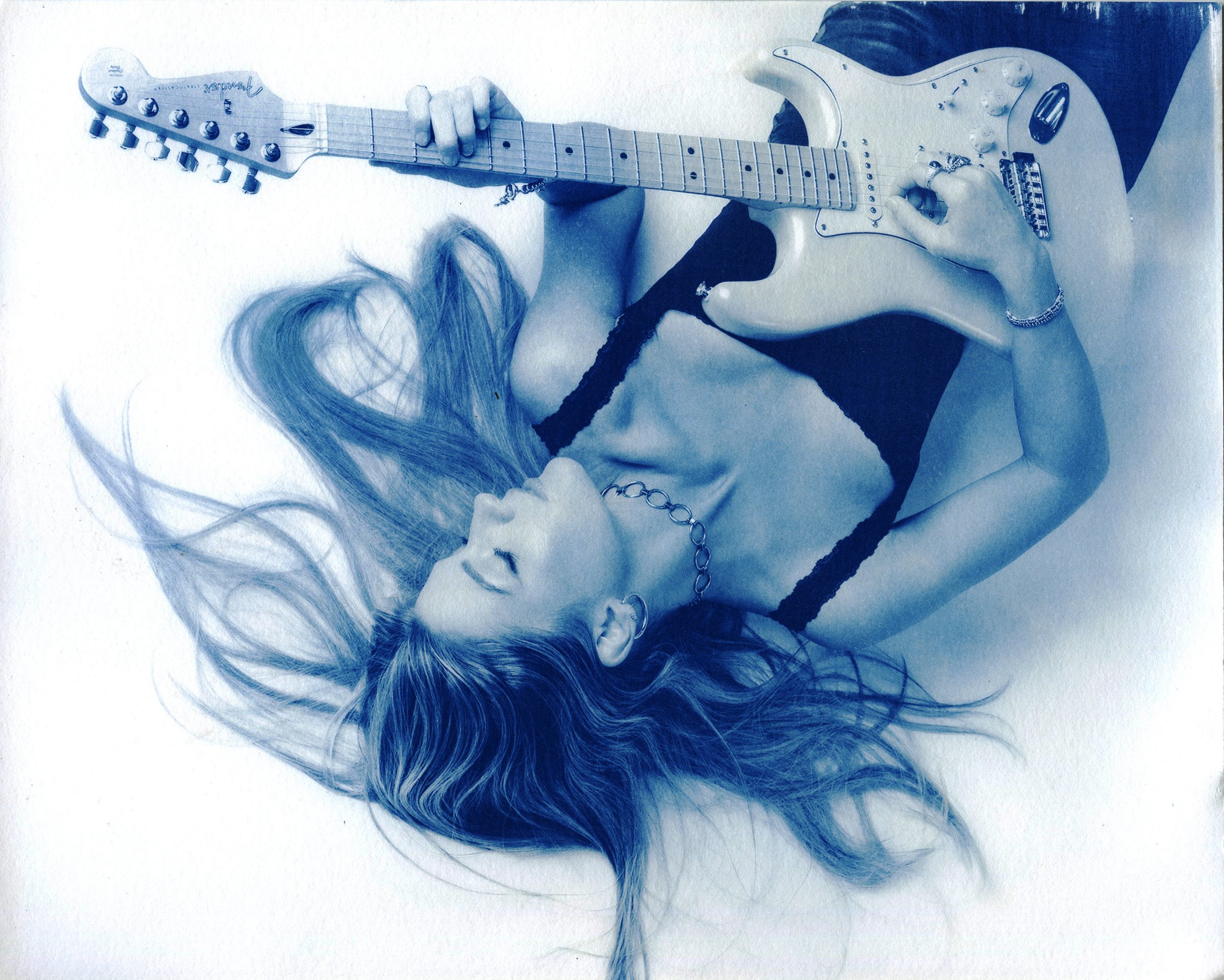
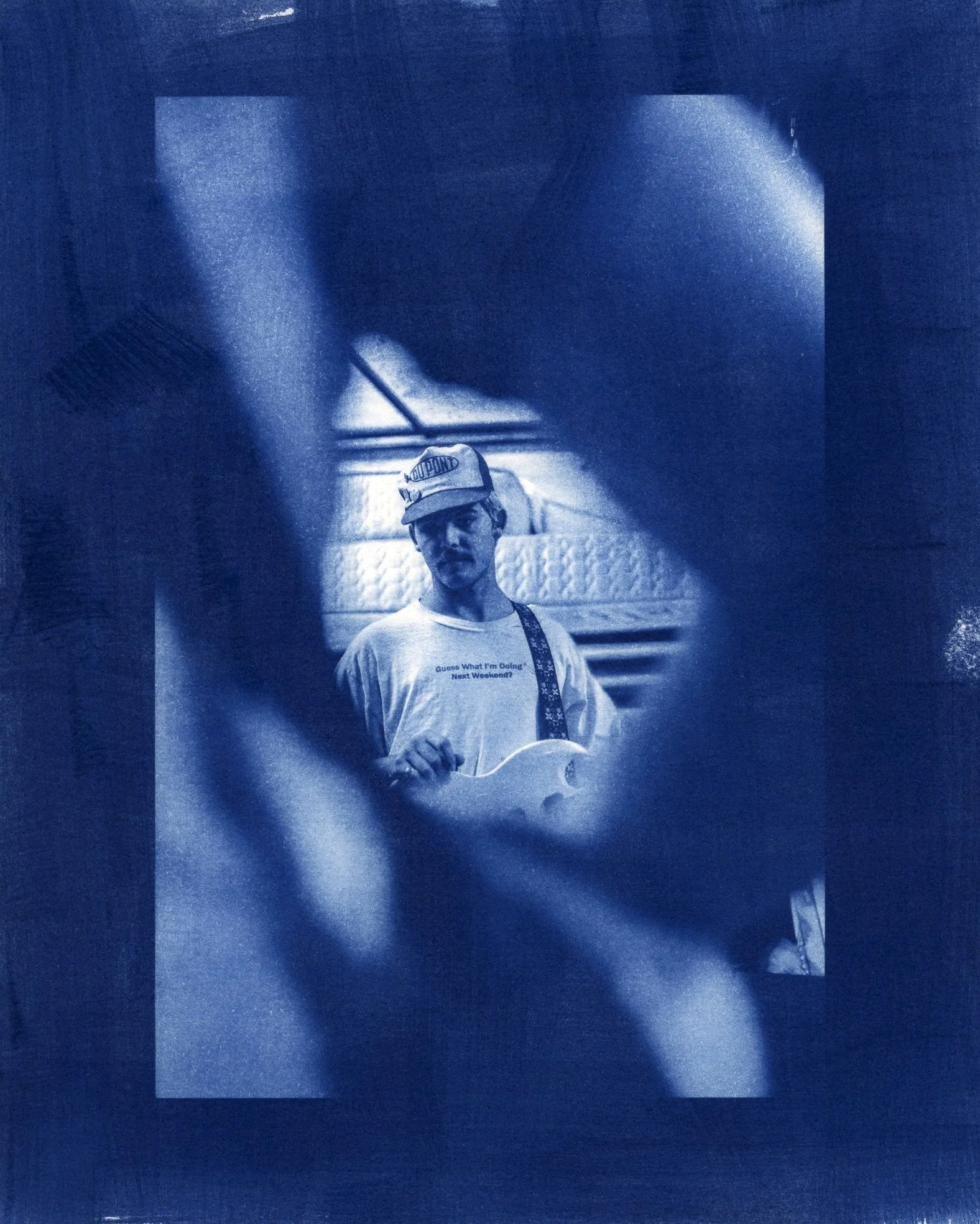
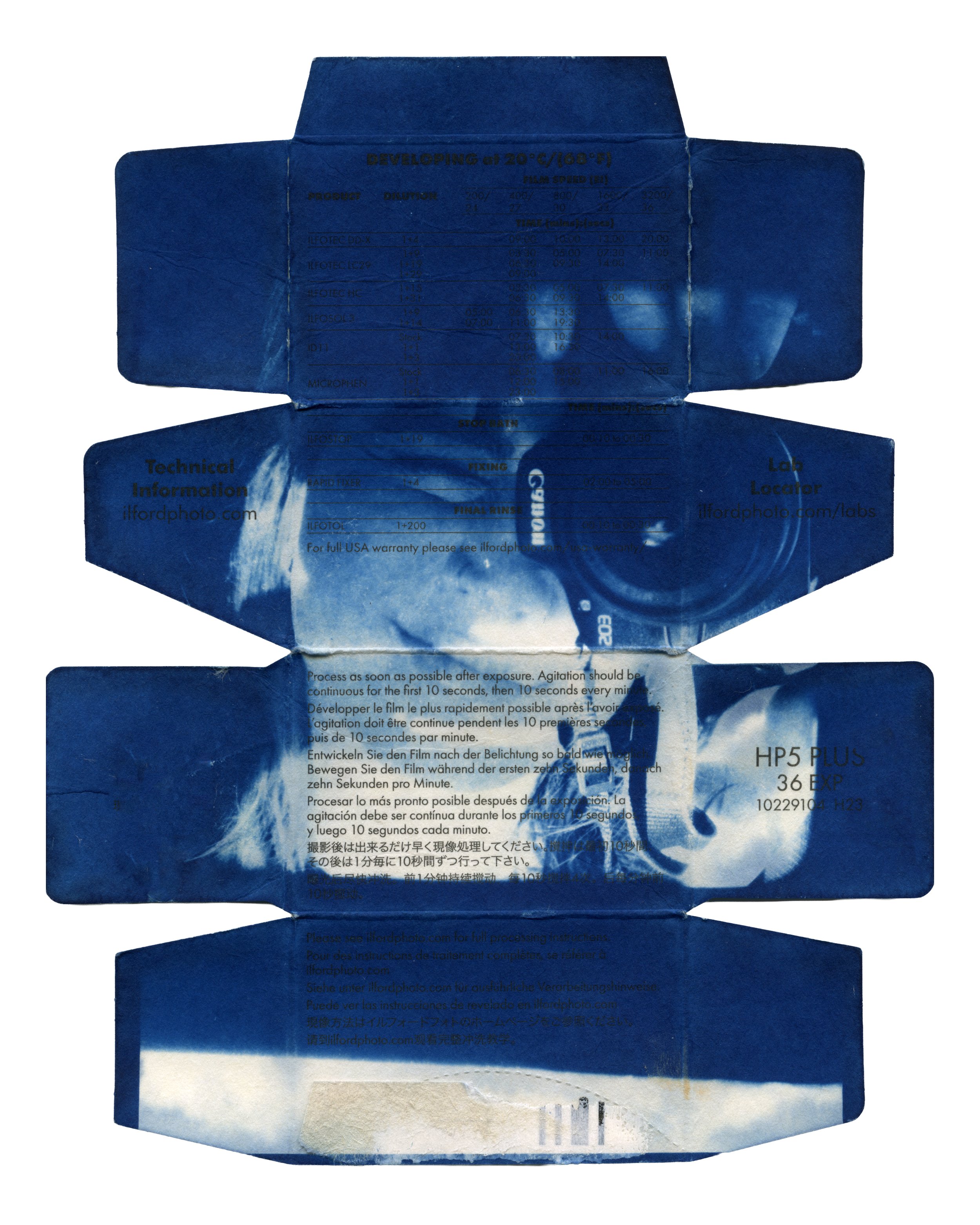
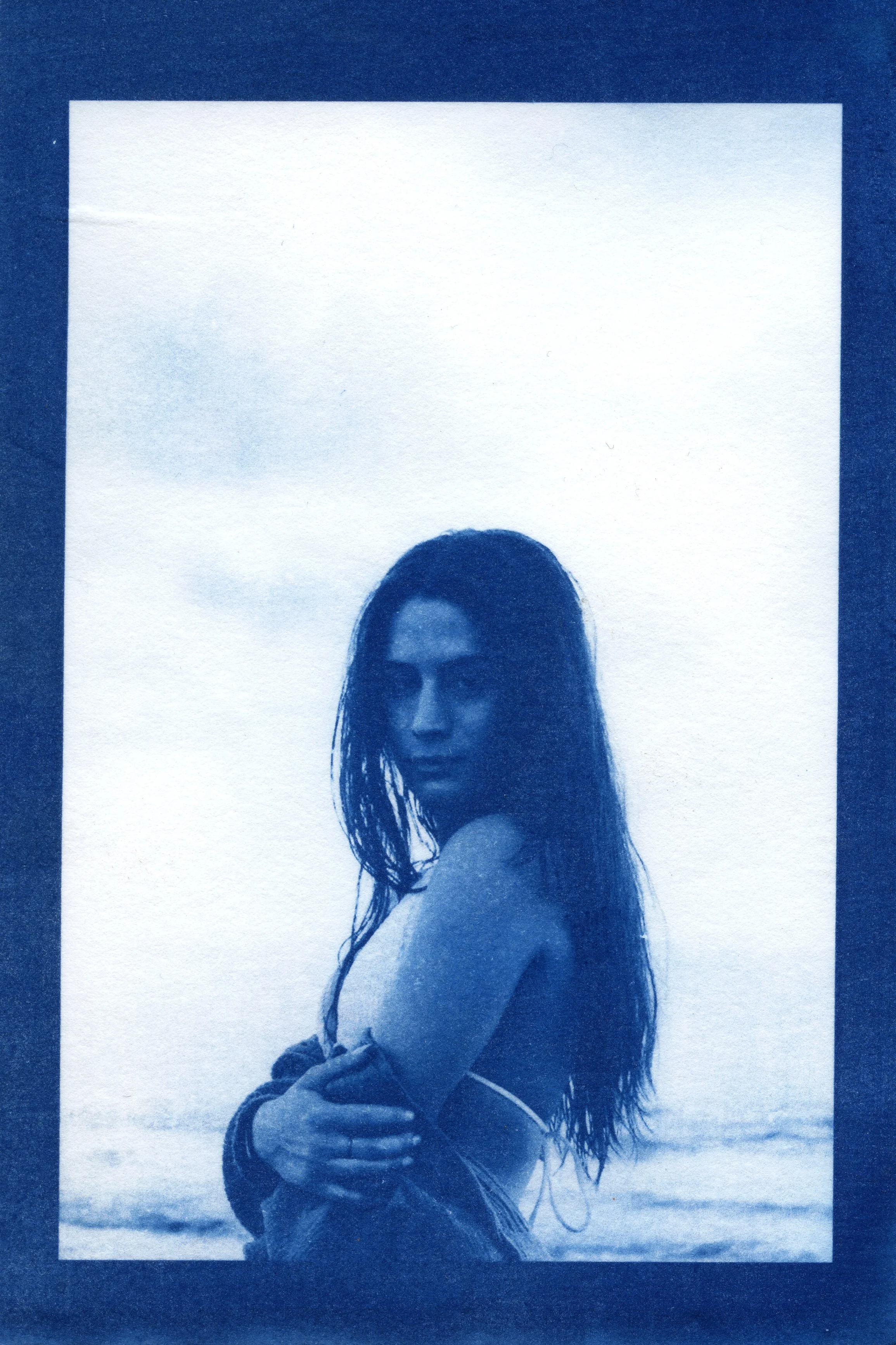
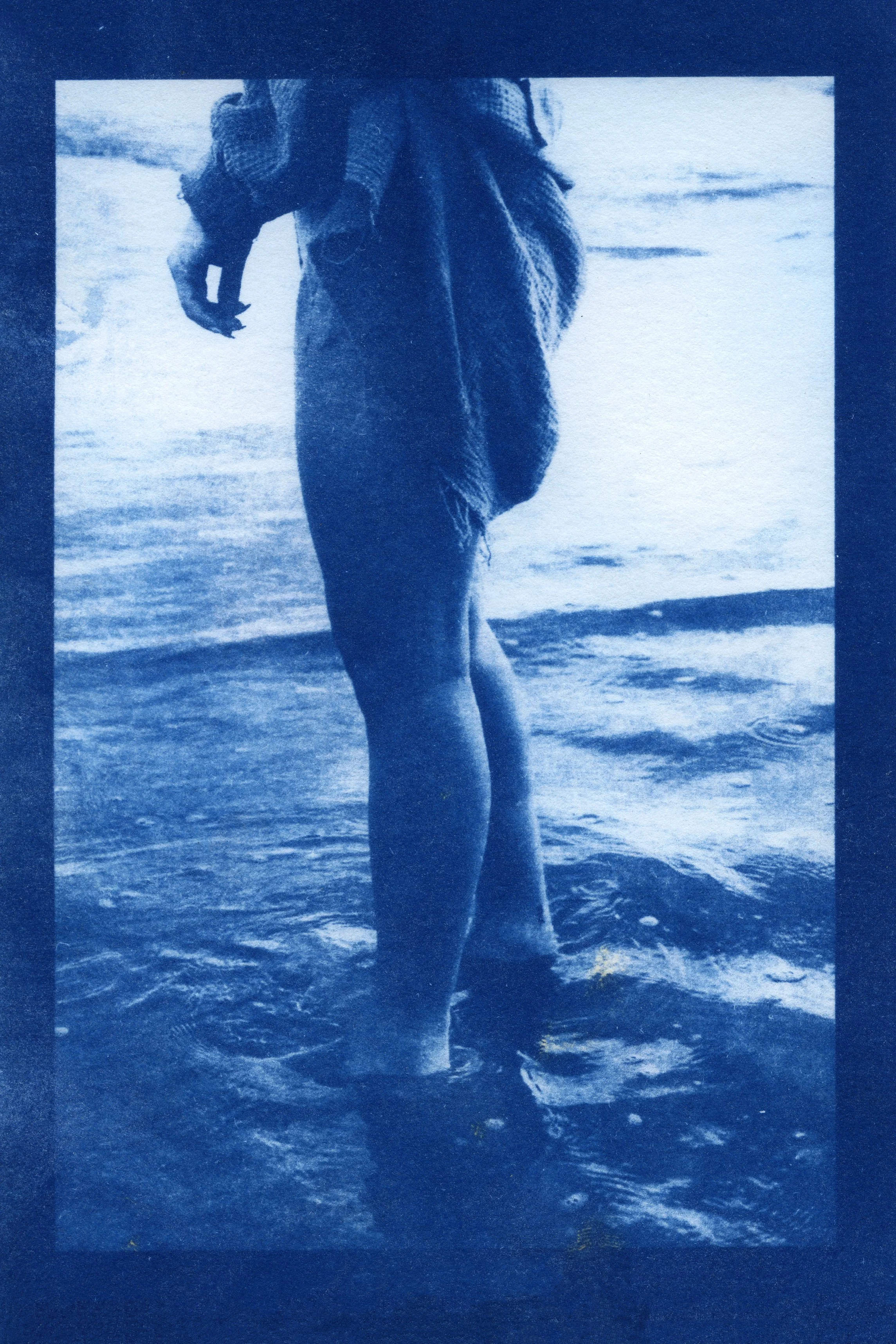
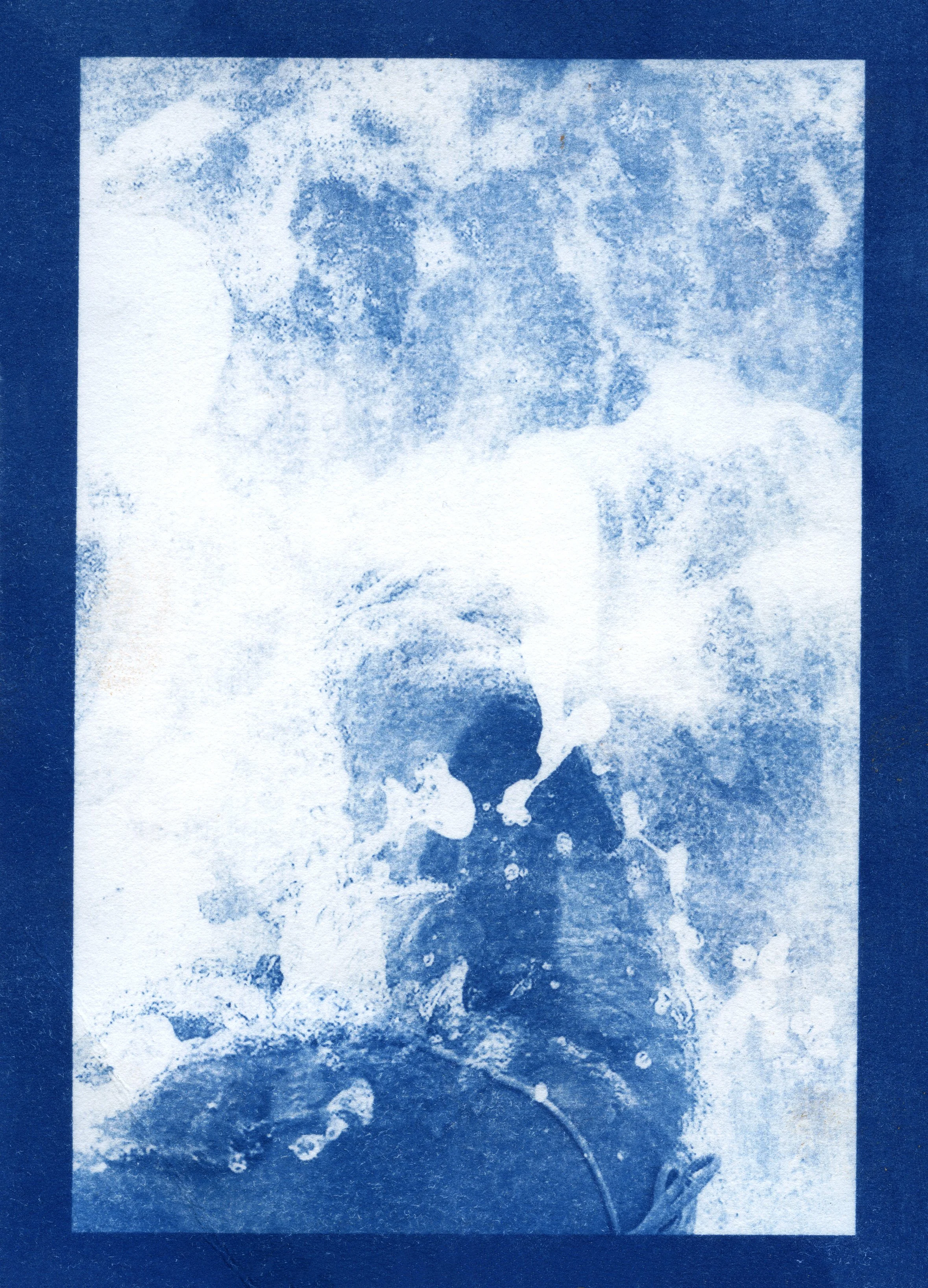
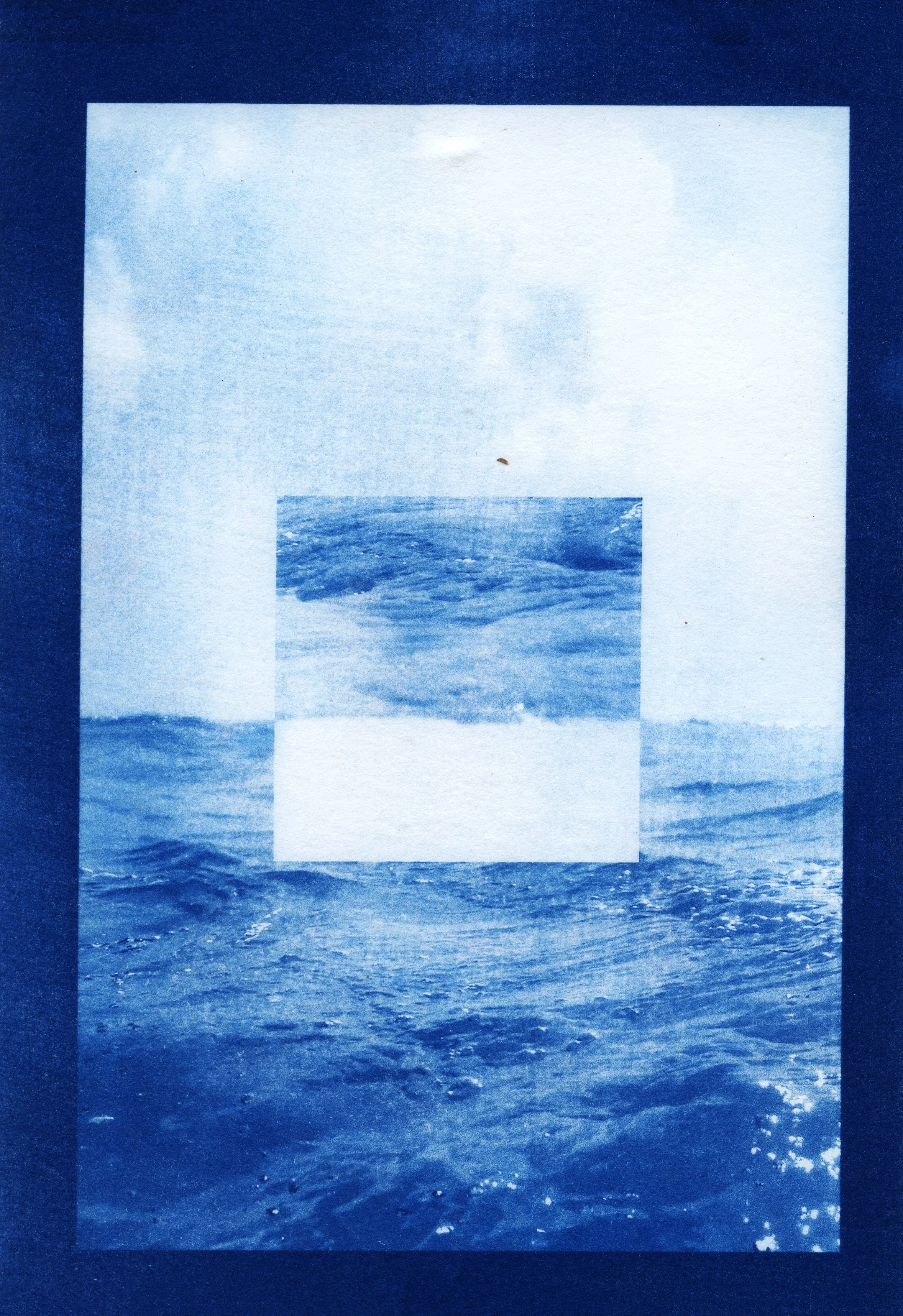
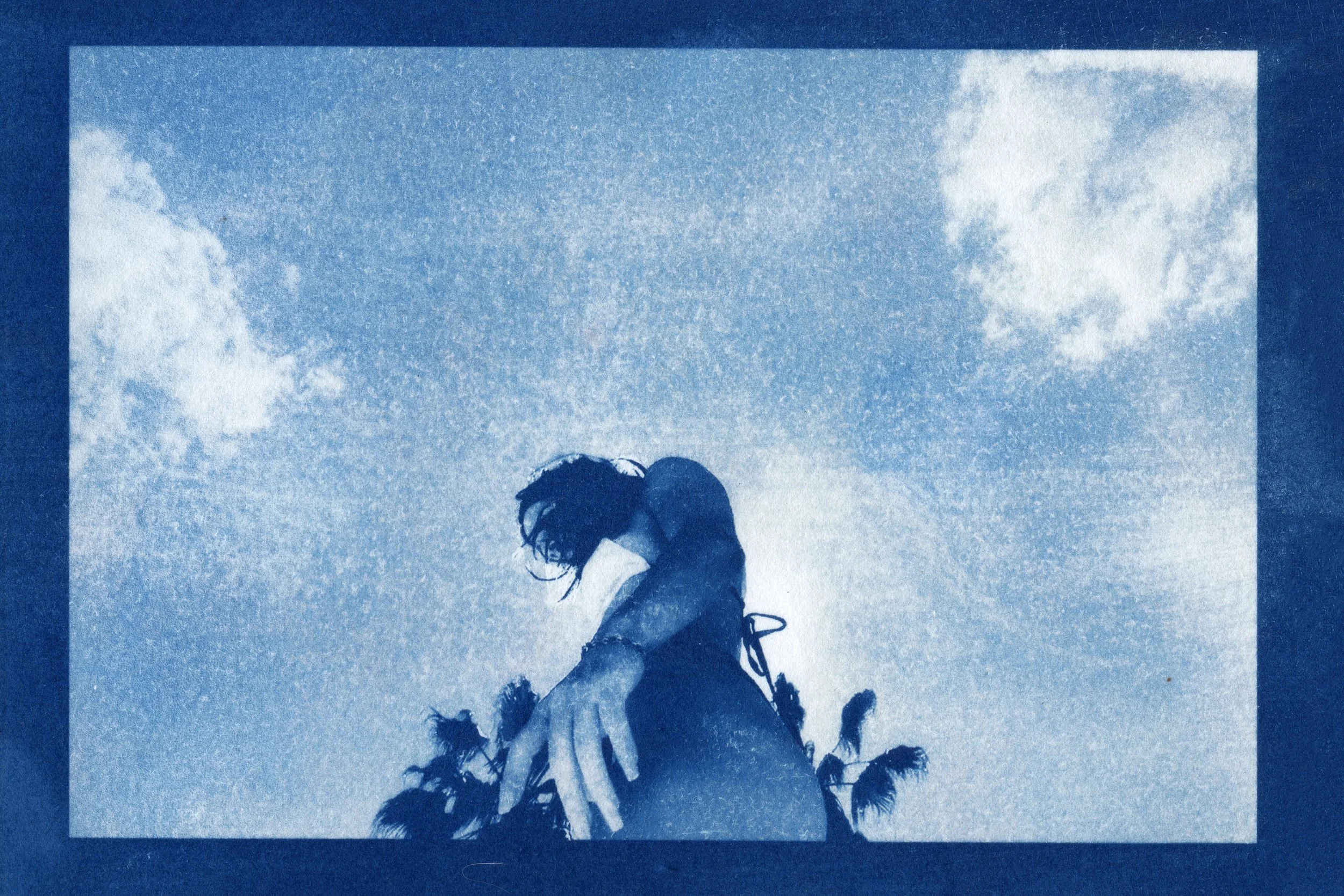
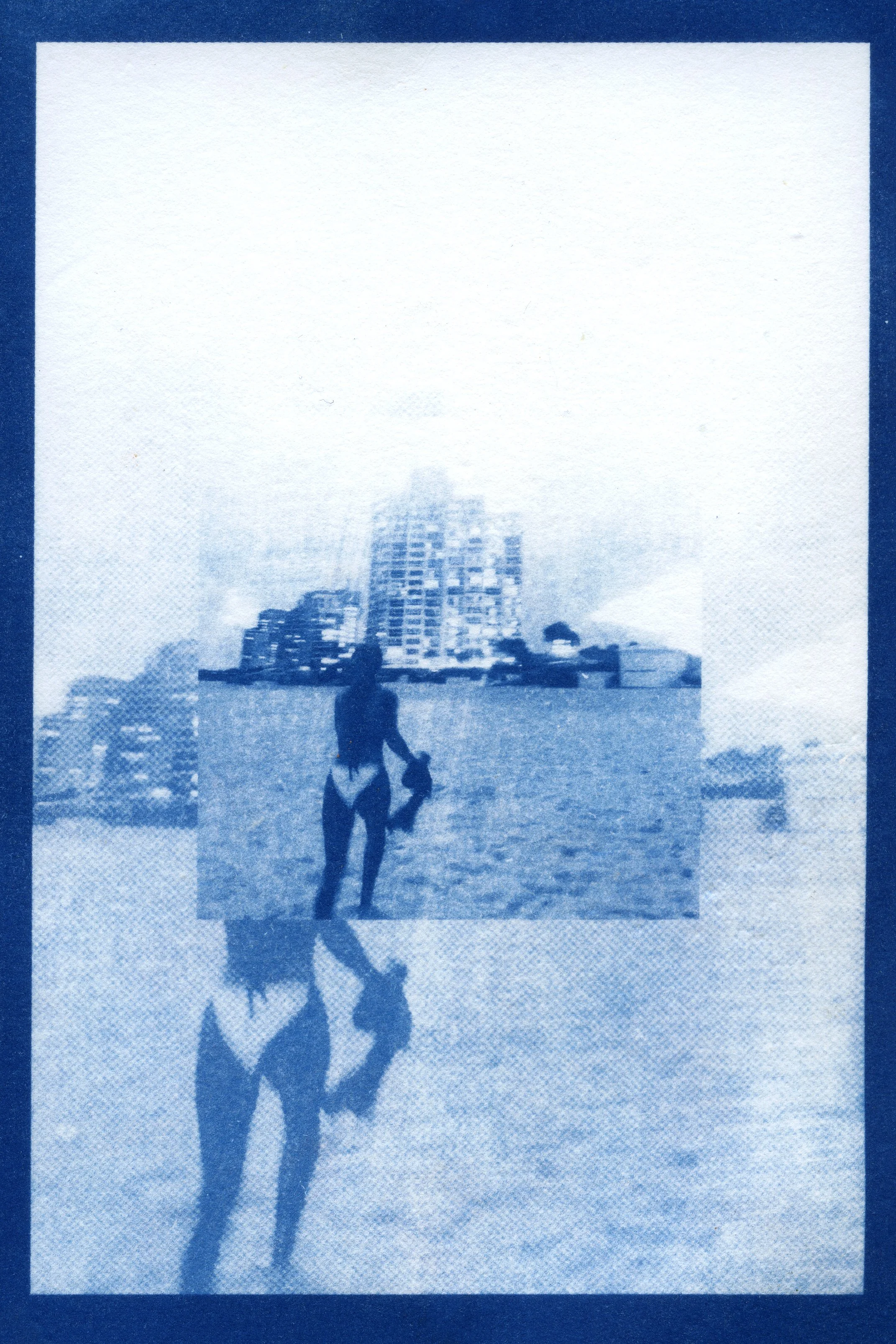
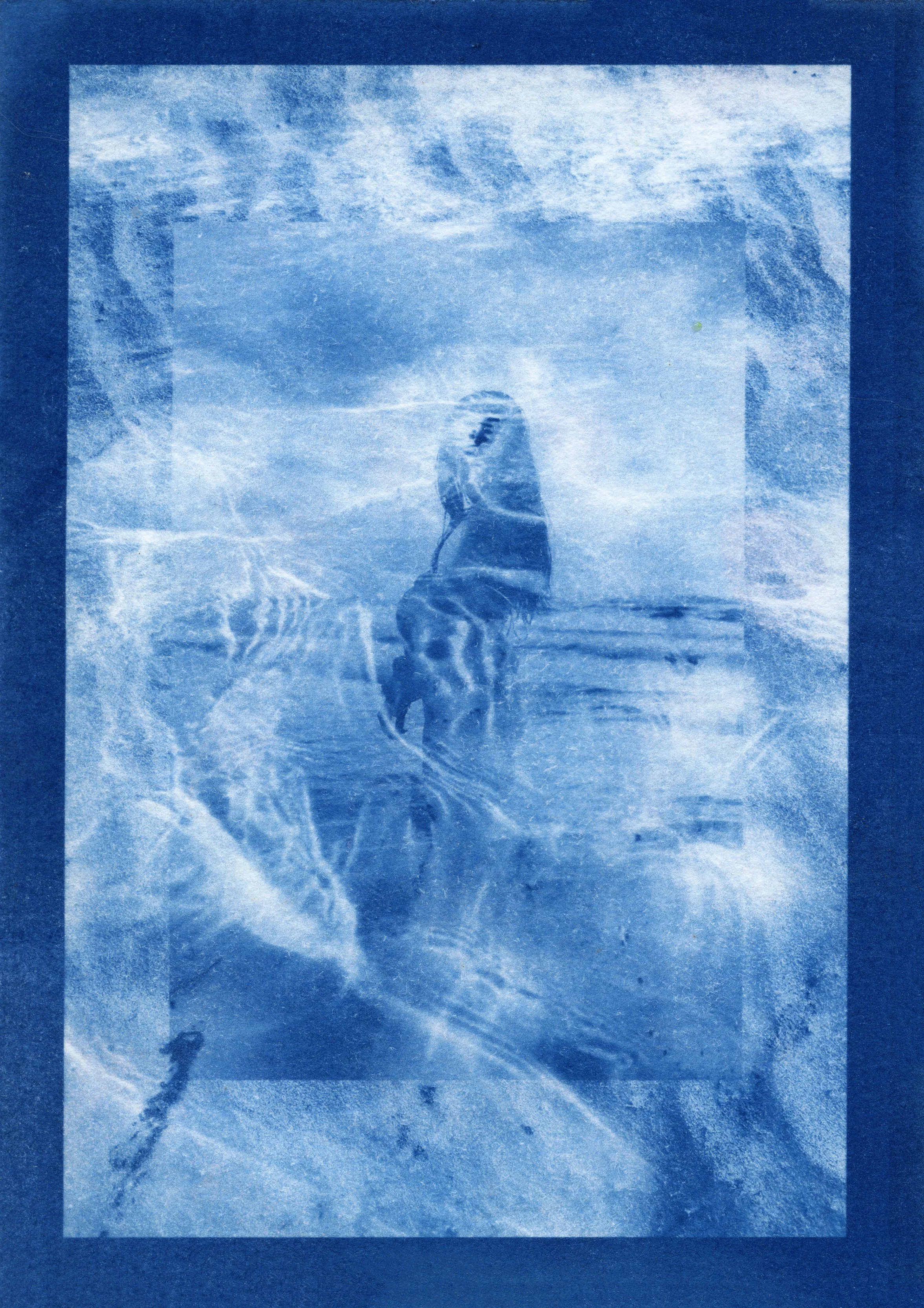
Created through the cyanotype process, this portrait series uses hand-coated paper, sunlight, and iron-based chemistry to produce its distinctive deep-blue tones. Visible brushstrokes and uneven edges preserve the handmade nature of each print, allowing the photographic process to become part of the image.
Cyanotype
Salt Prints
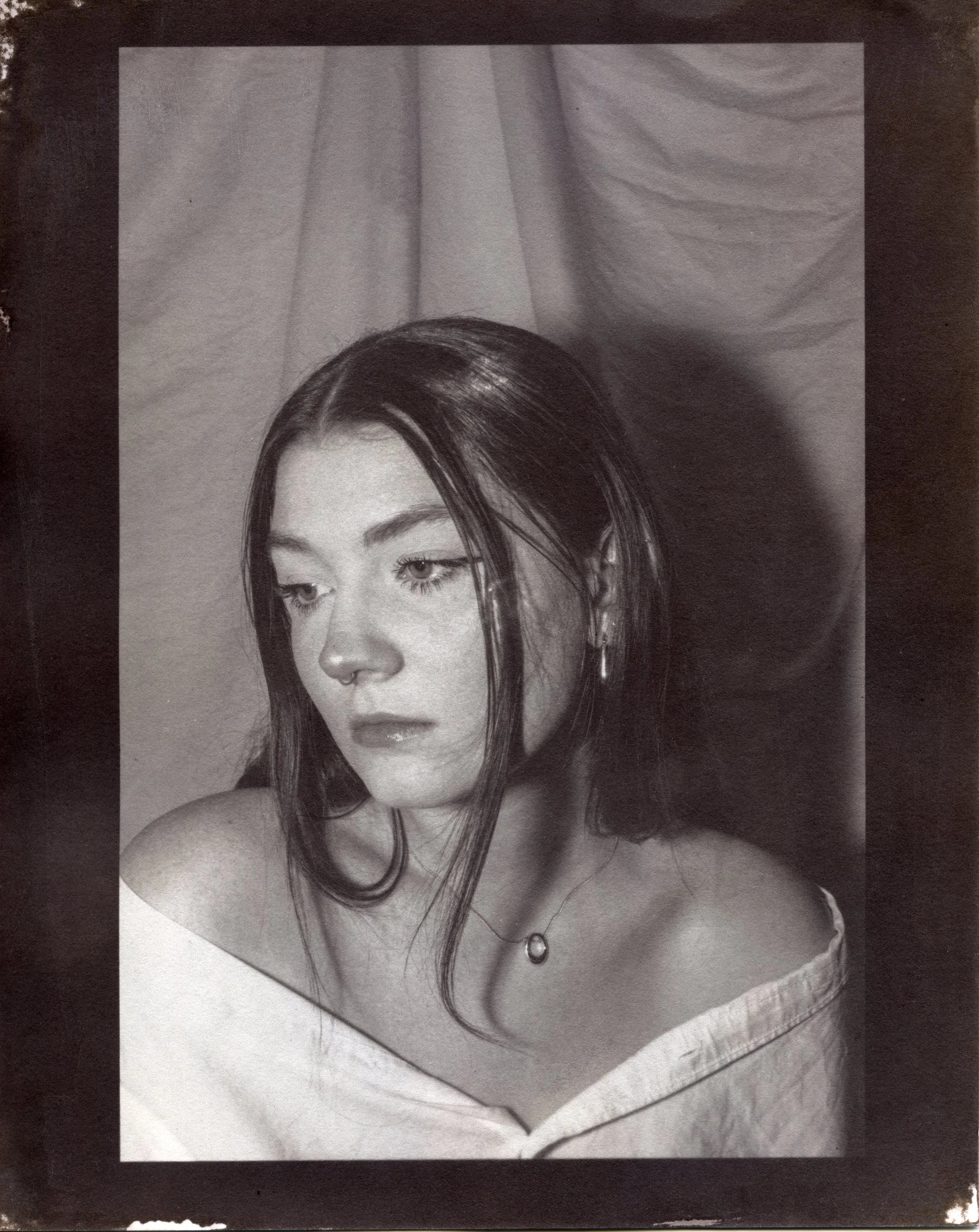
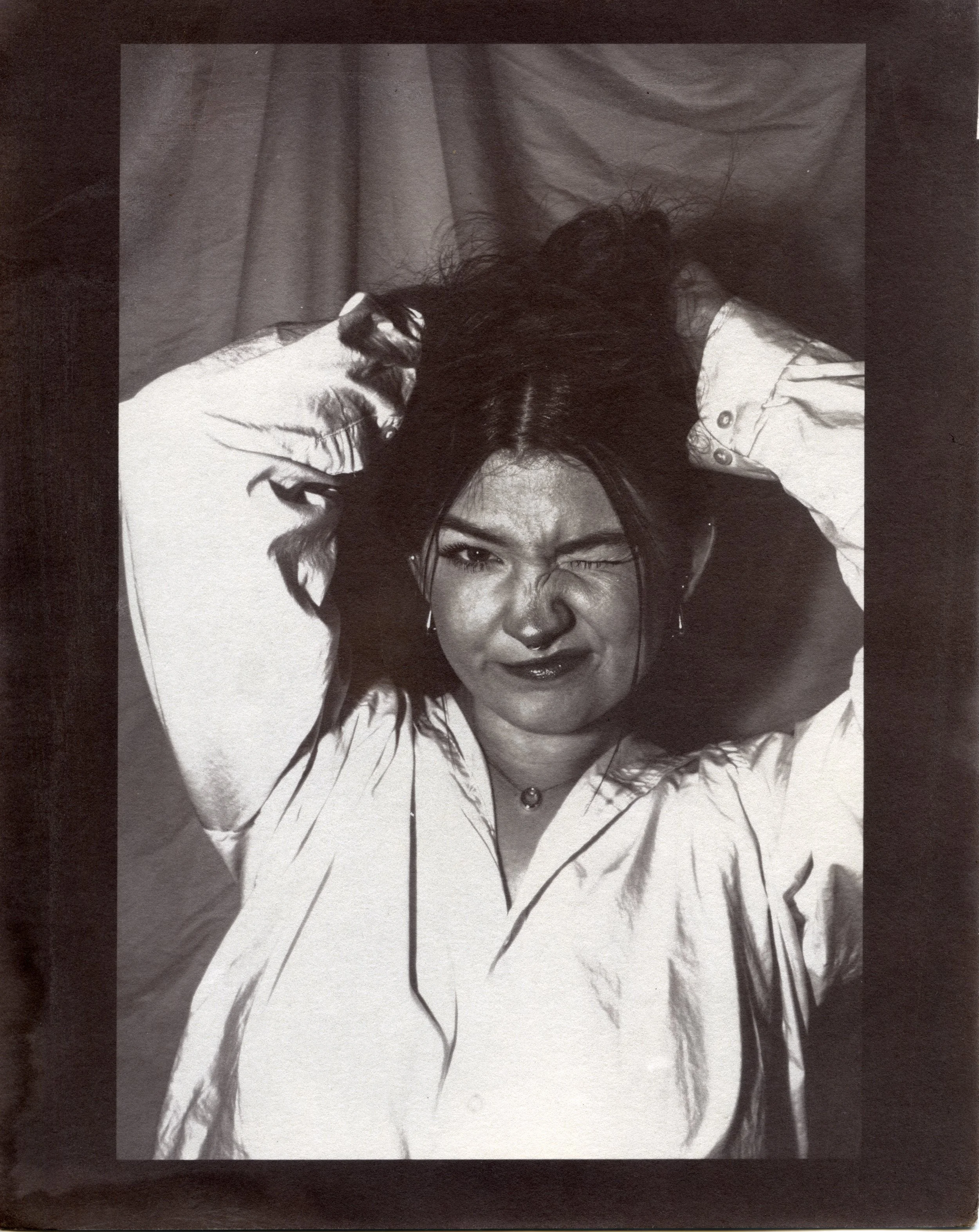
Salt printing is an early photographic process that creates an image on hand-coated paper. The paper is first treated with salt and then with silver nitrate, making it sensitive to light. A negative is placed directly against the paper and exposed to sunlight or ultraviolet light until the image appears. The print is then washed and fixed. The process produces soft detail, visible paper texture, and warm brown or reddish tones, with slight variations that make every print unique.
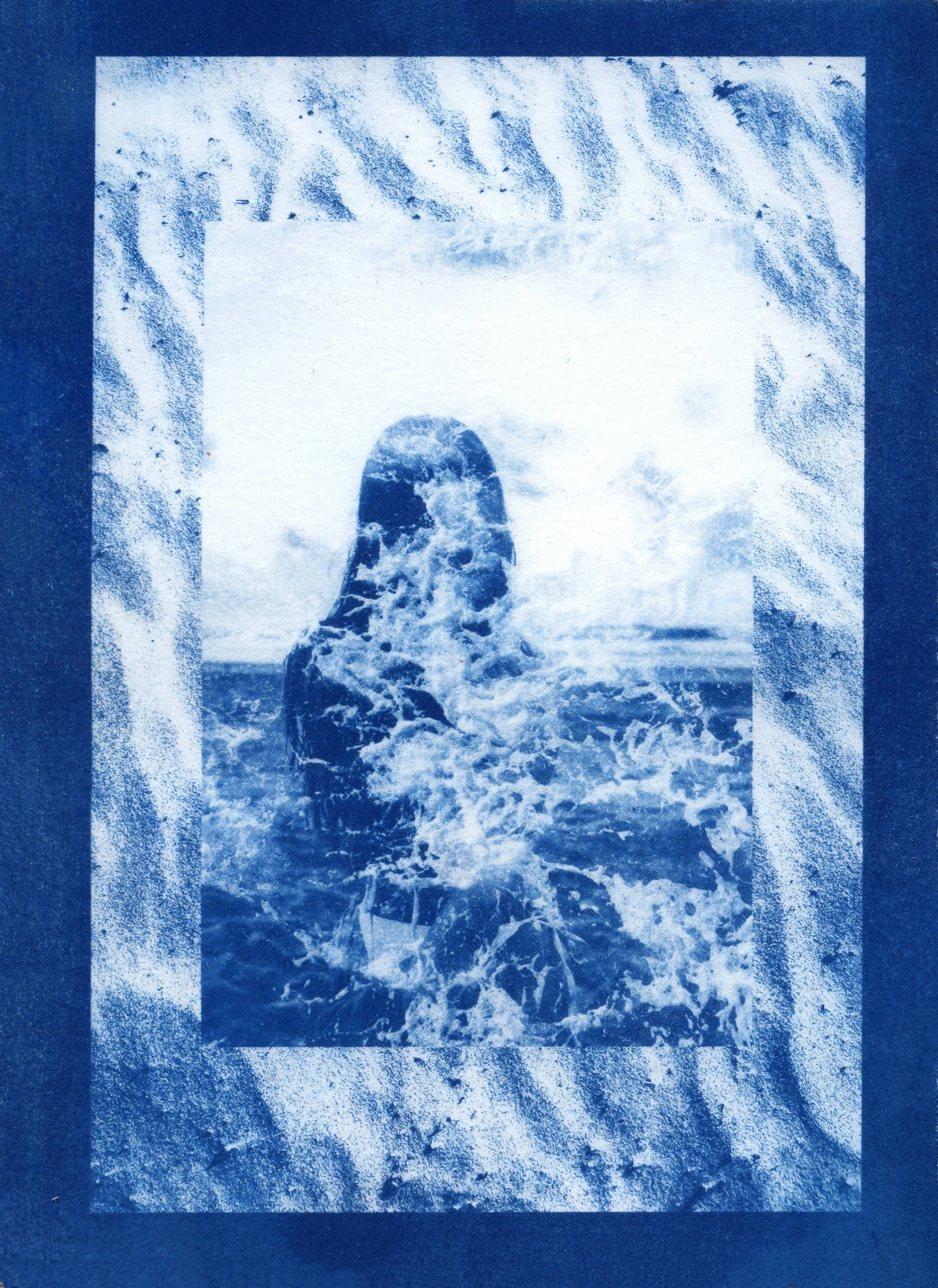
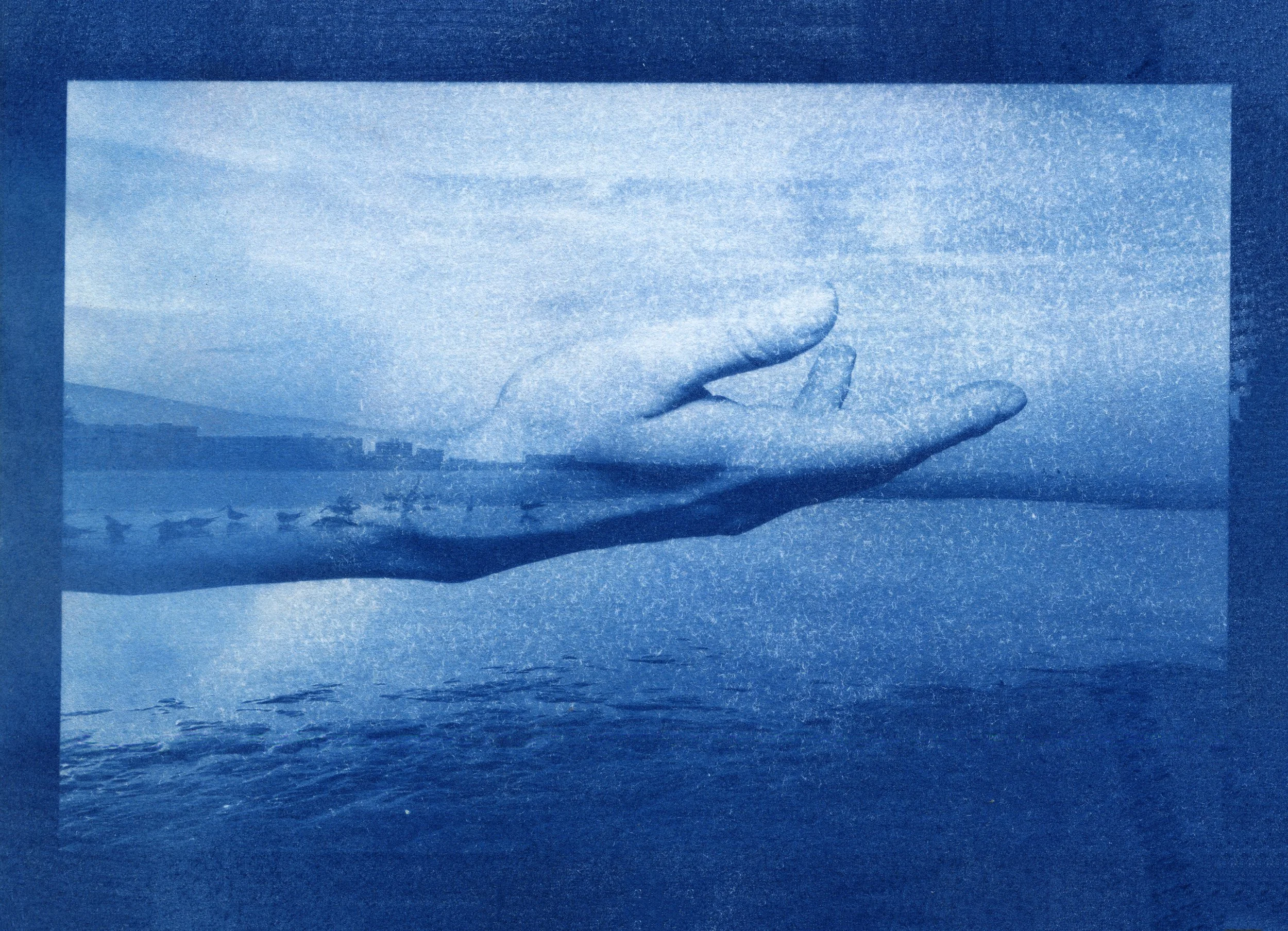
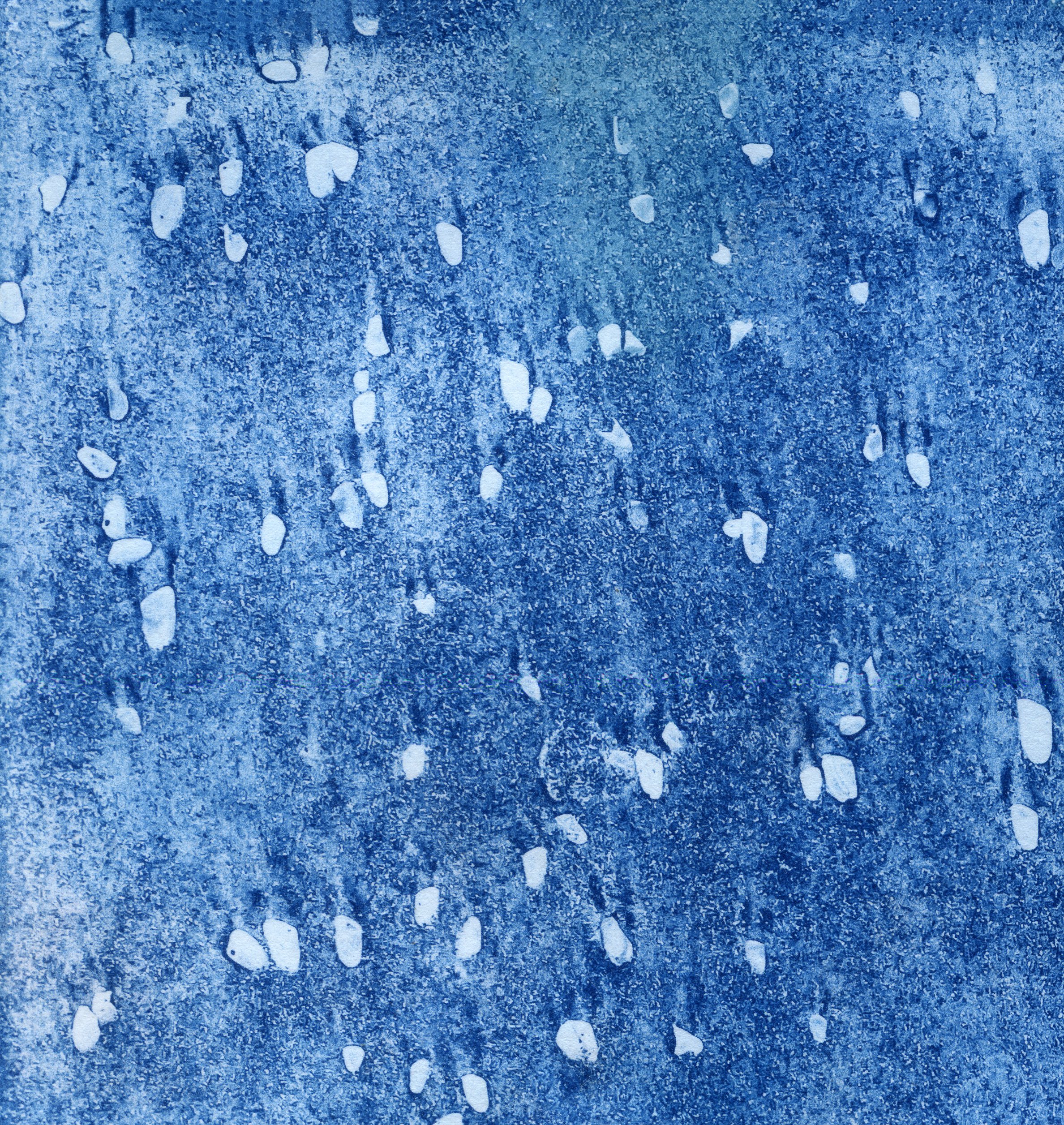
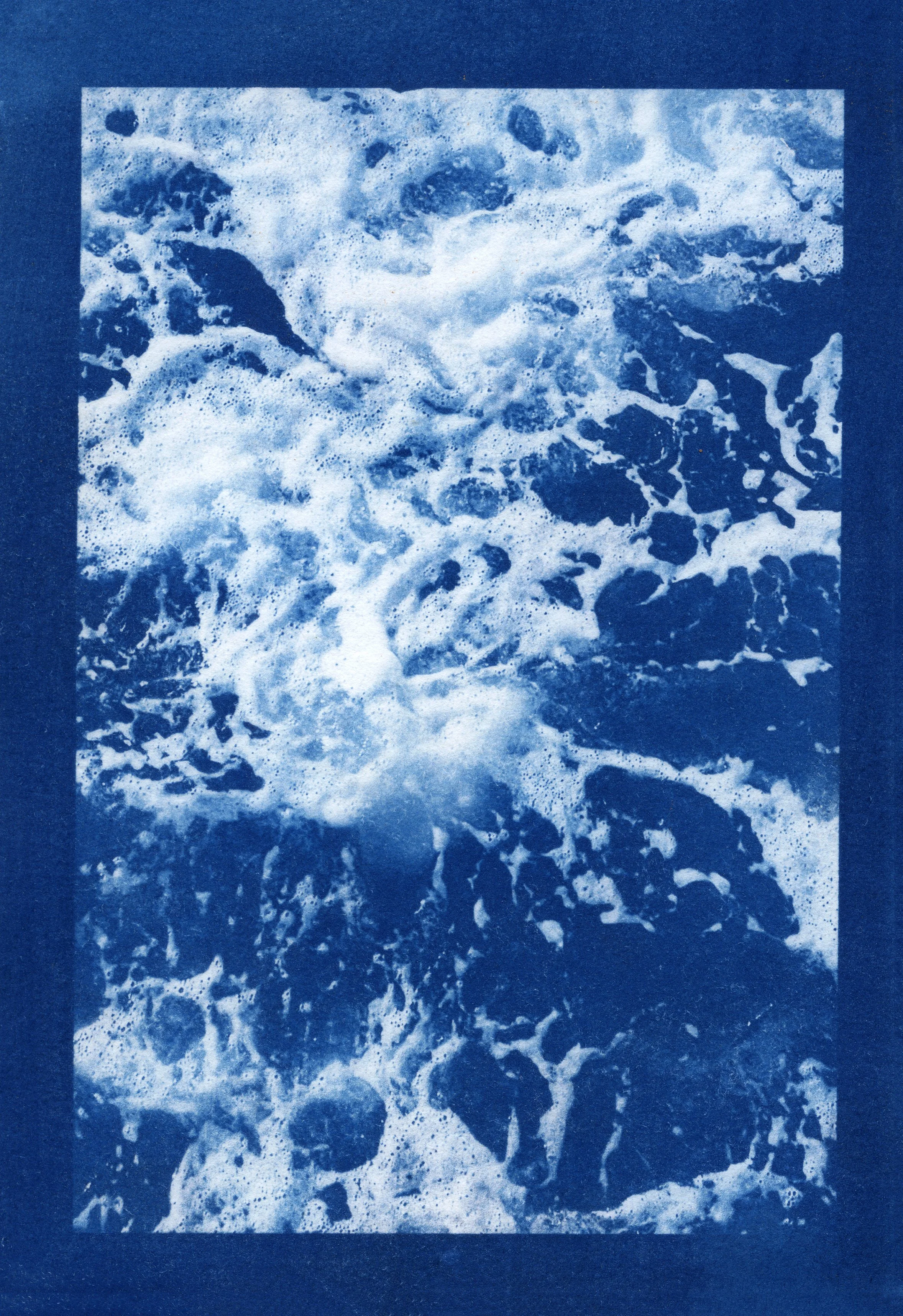
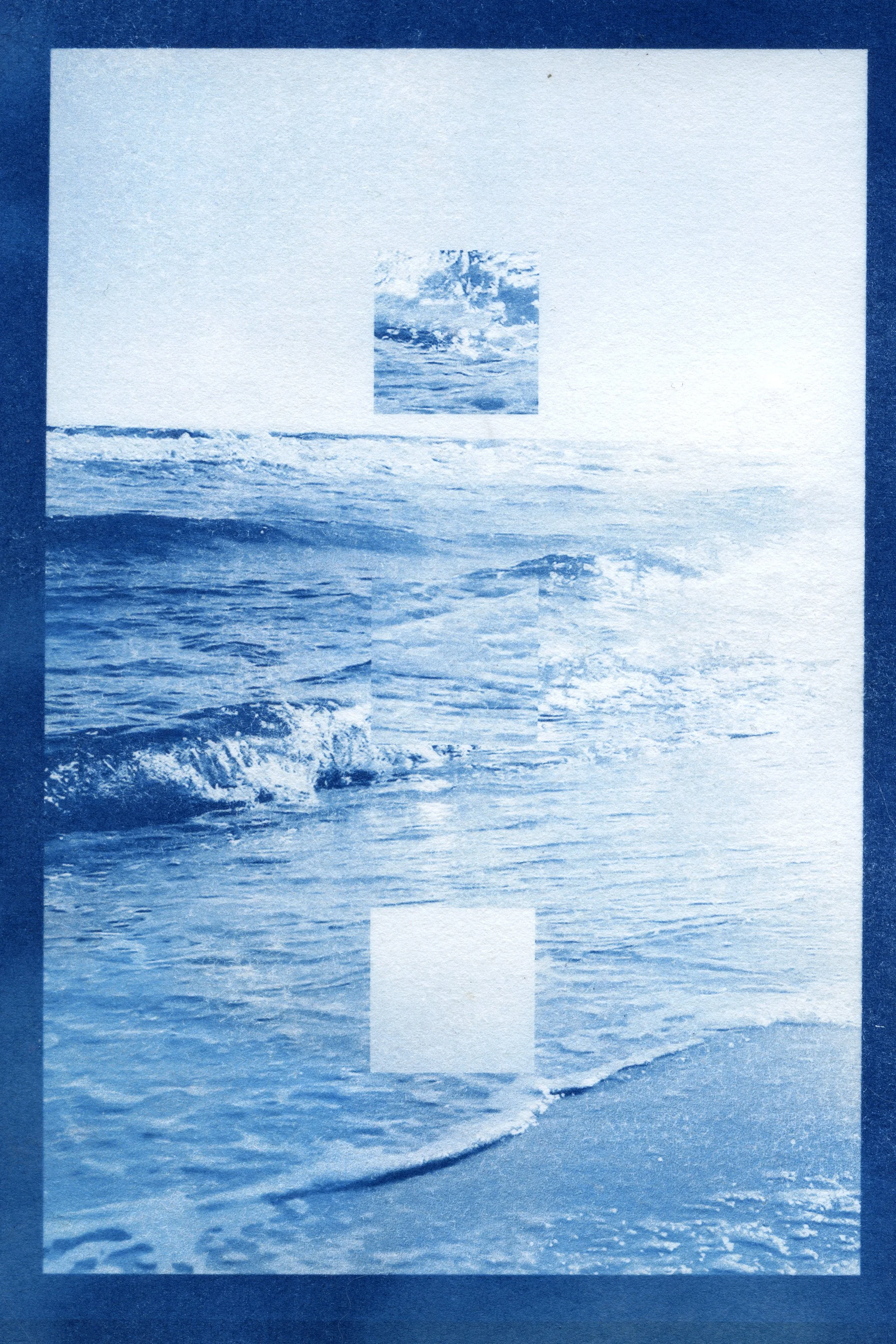
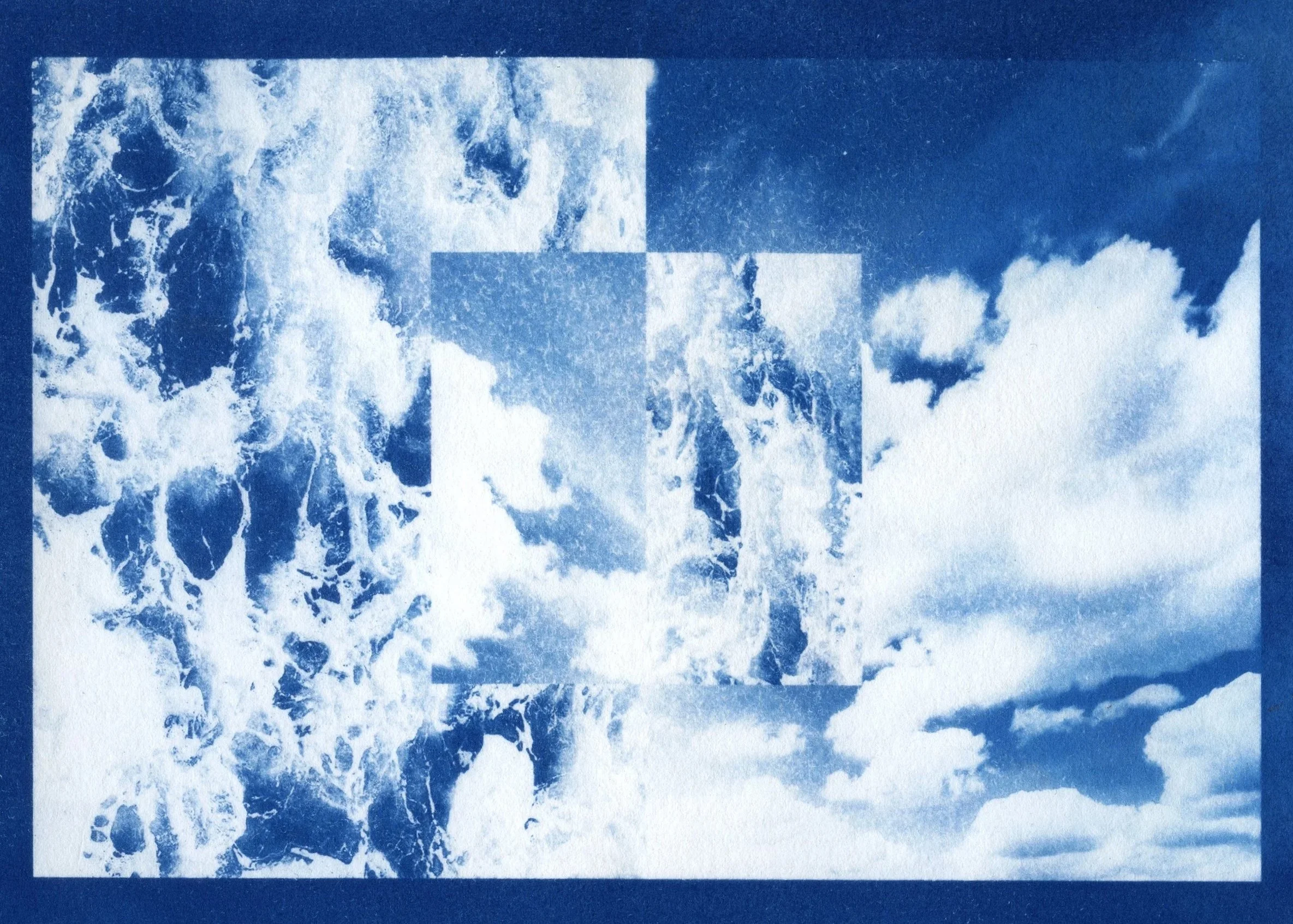
Cyanotype is a historic photographic printing process that uses iron-based chemicals and ultraviolet light to create images in rich shades of blue. The solution is brushed onto paper or fabric, allowed to dry, and exposed beneath a negative or arranged objects. After the print is rinsed in water, the image develops into its recognizable deep blue color. Each cyanotype is coated and exposed by hand, creating natural variations in texture, brushstrokes, and tone.
Cyanotype
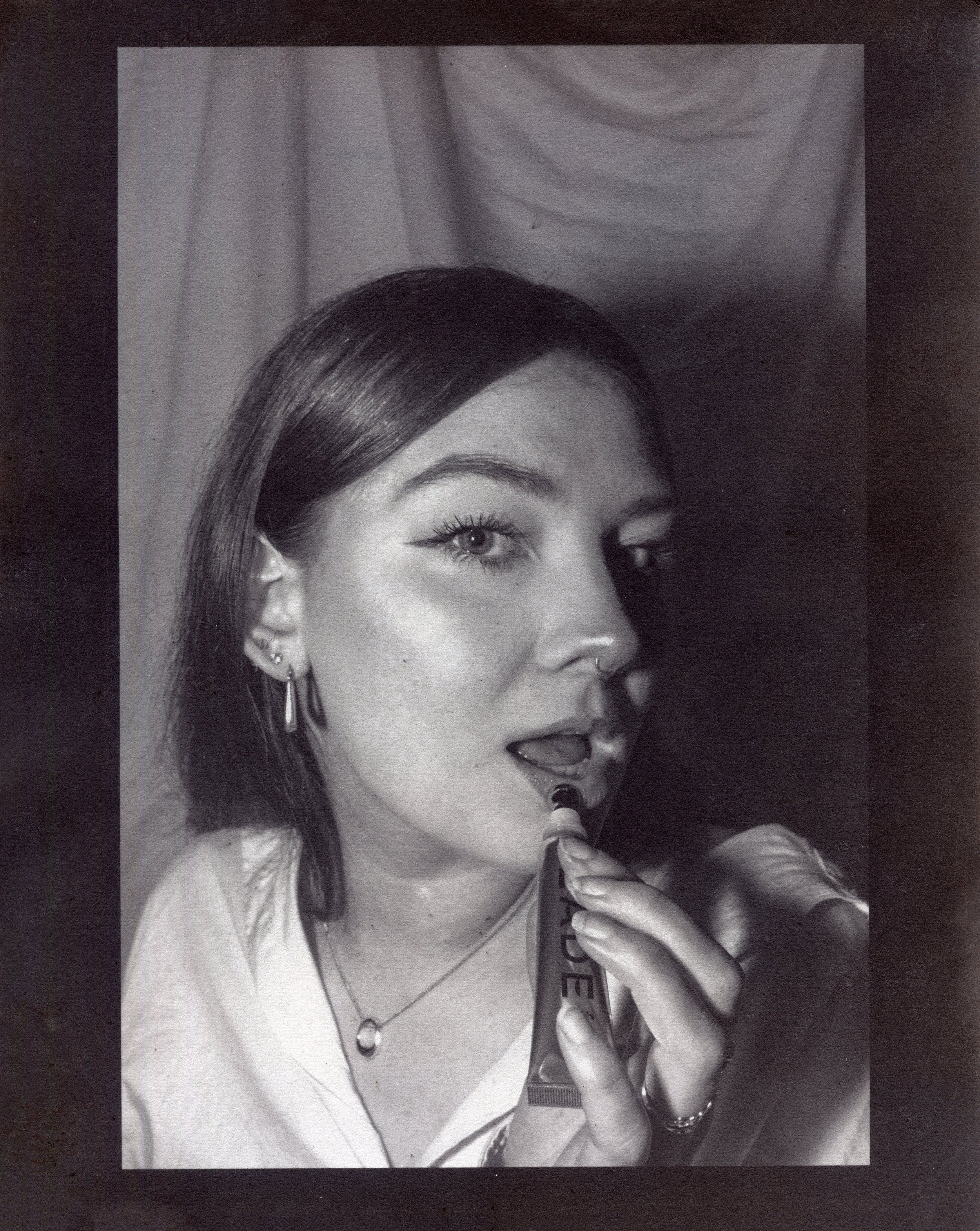
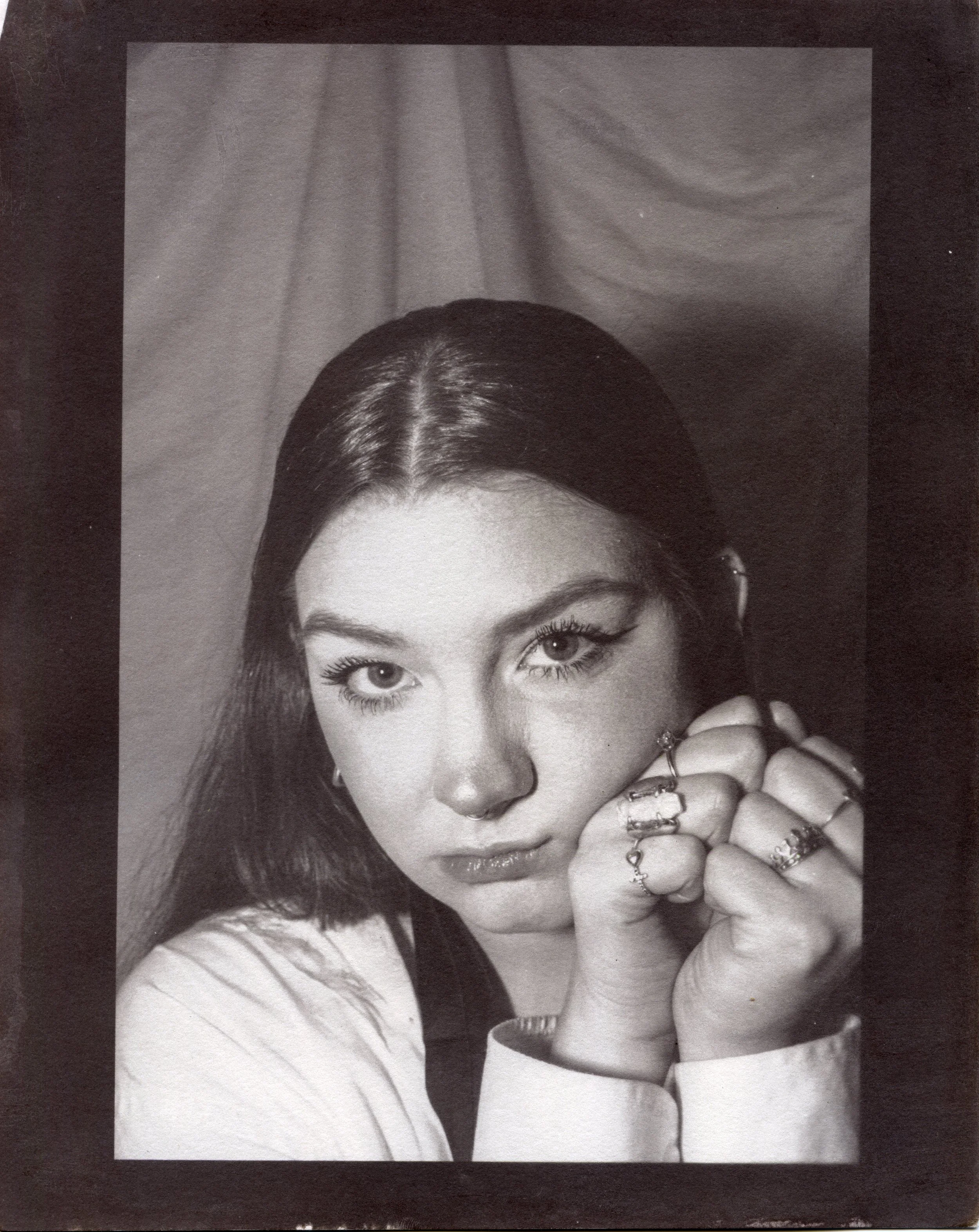
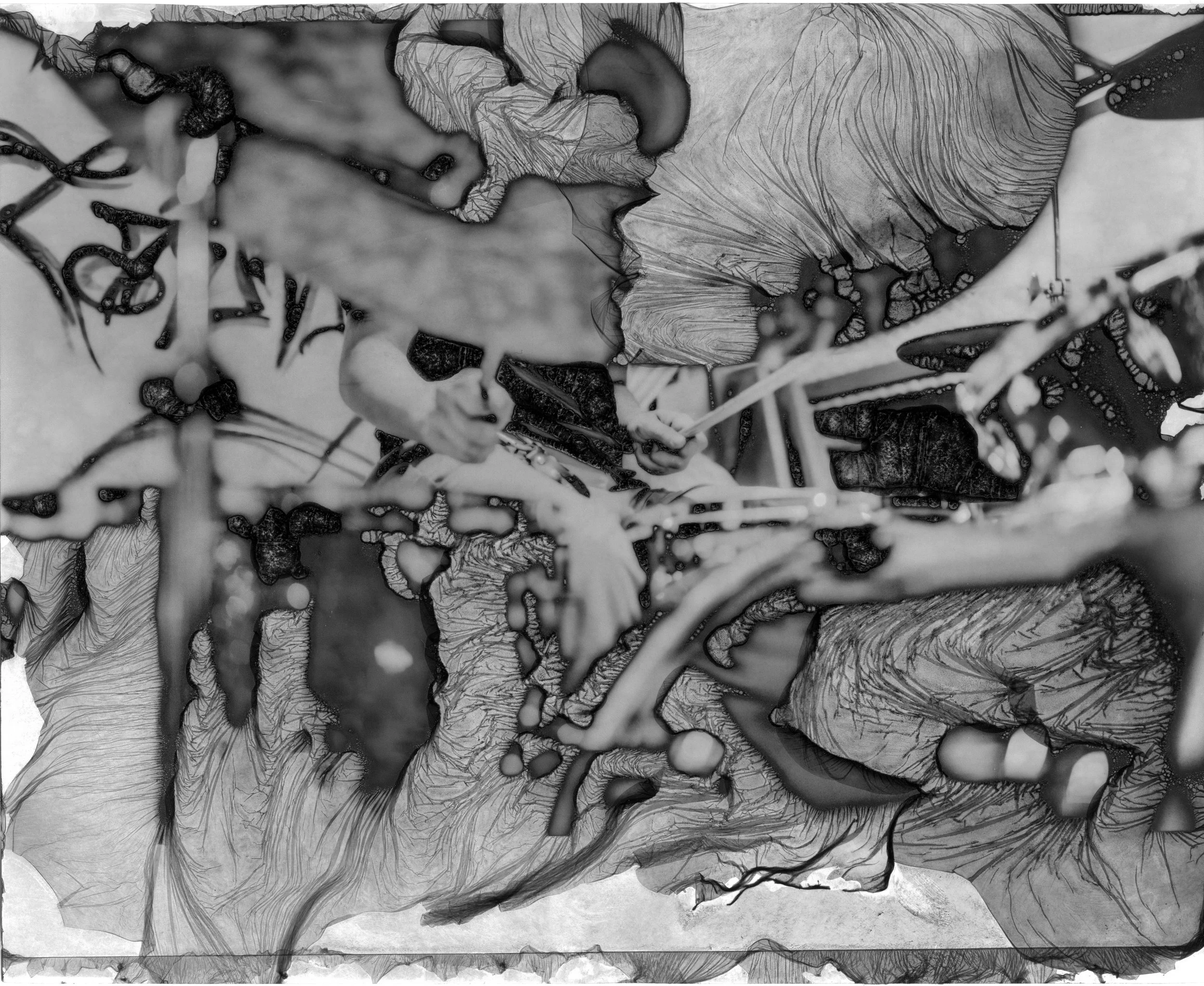
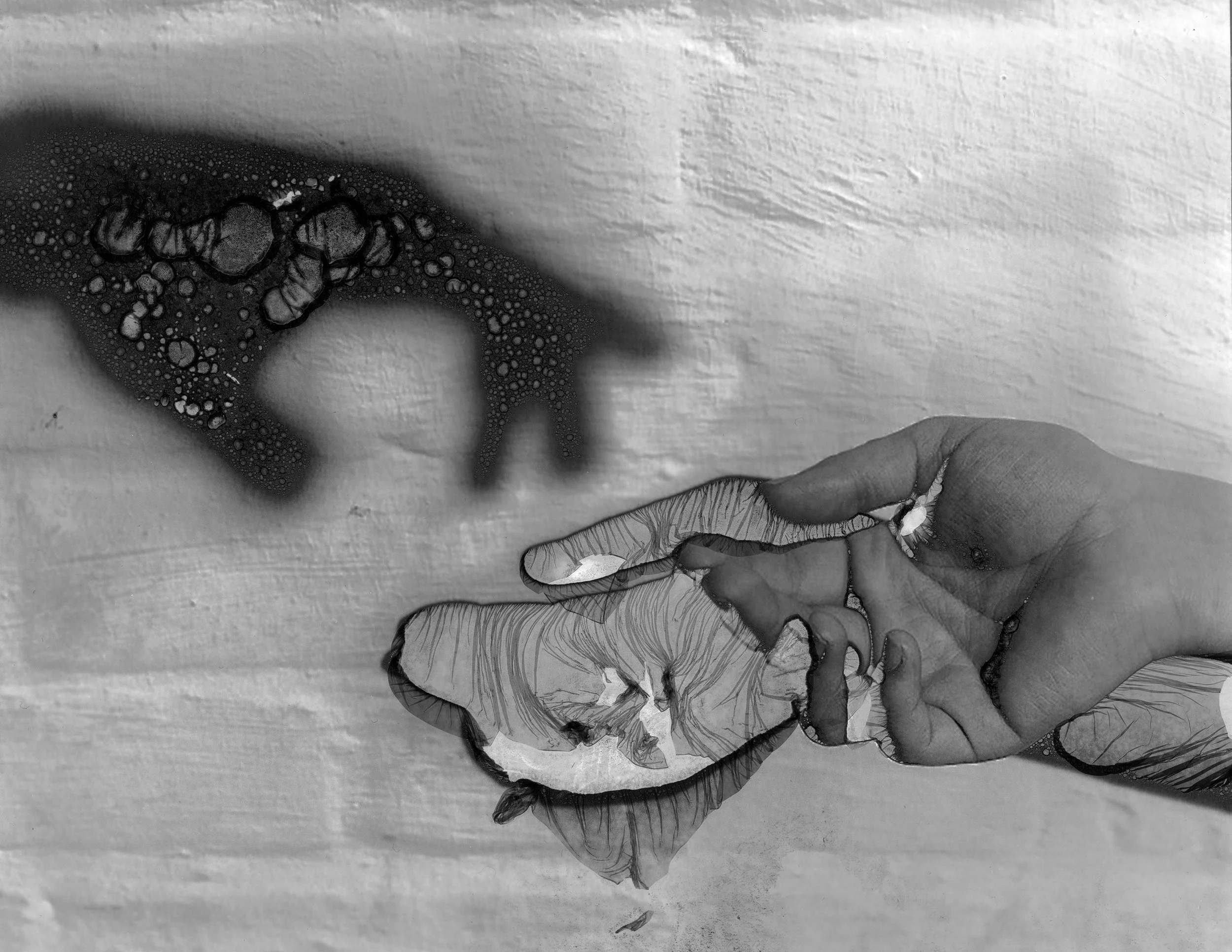
Mordançage is an experimental darkroom process used with black-and-white silver gelatin prints. The print is treated with a chemical solution that bleaches parts of the image and causes sections of the emulsion to lift from the paper, creating delicate veils, textures, and distorted surfaces. Because the emulsion moves unpredictably, every finished print is completely unique.
Mordanćage
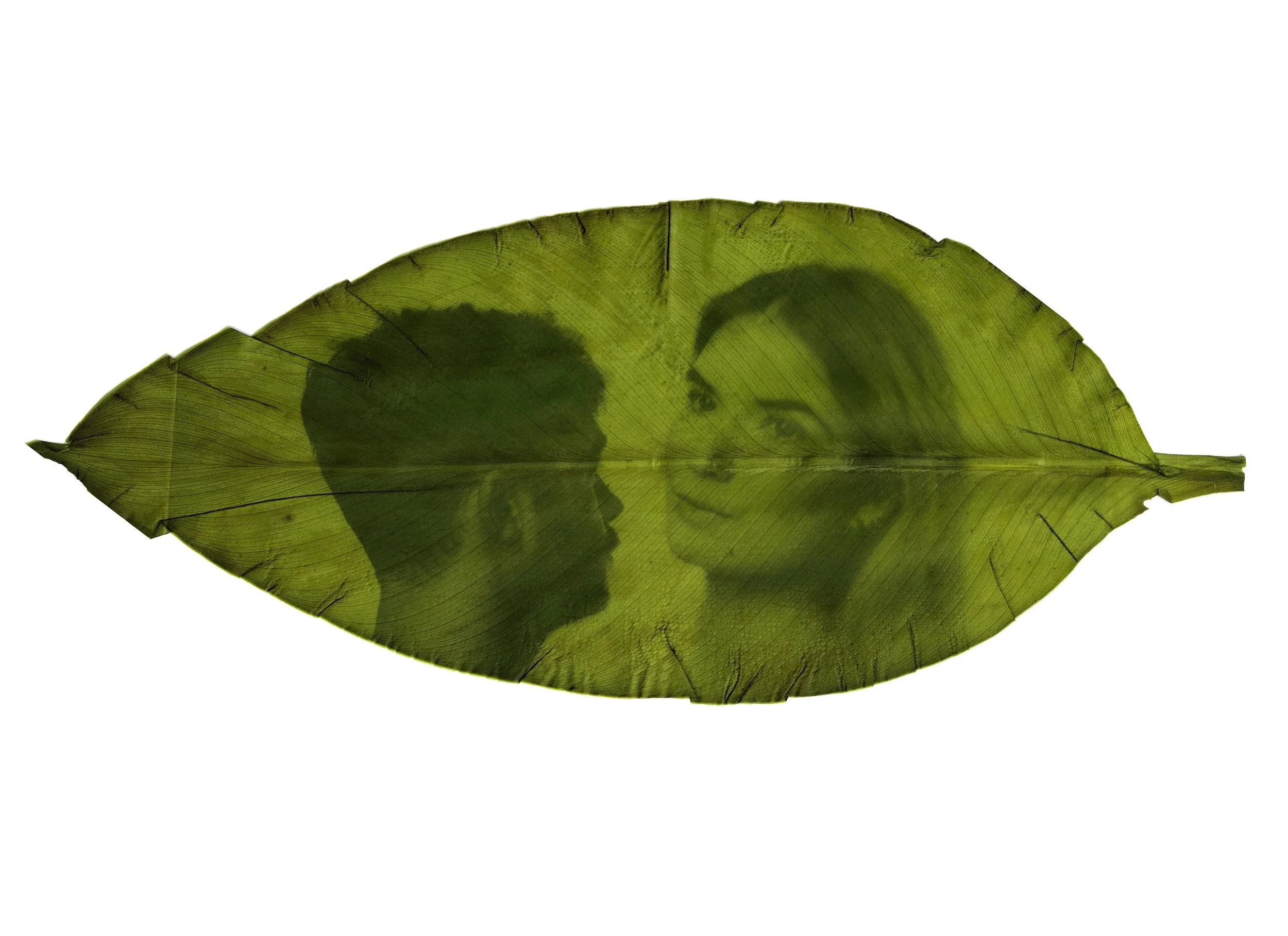
Created through chlorophyll printing, these images are exposed directly onto fresh leaves using sunlight, allowing the plant’s natural pigments to form the photograph.
Chlorophyll
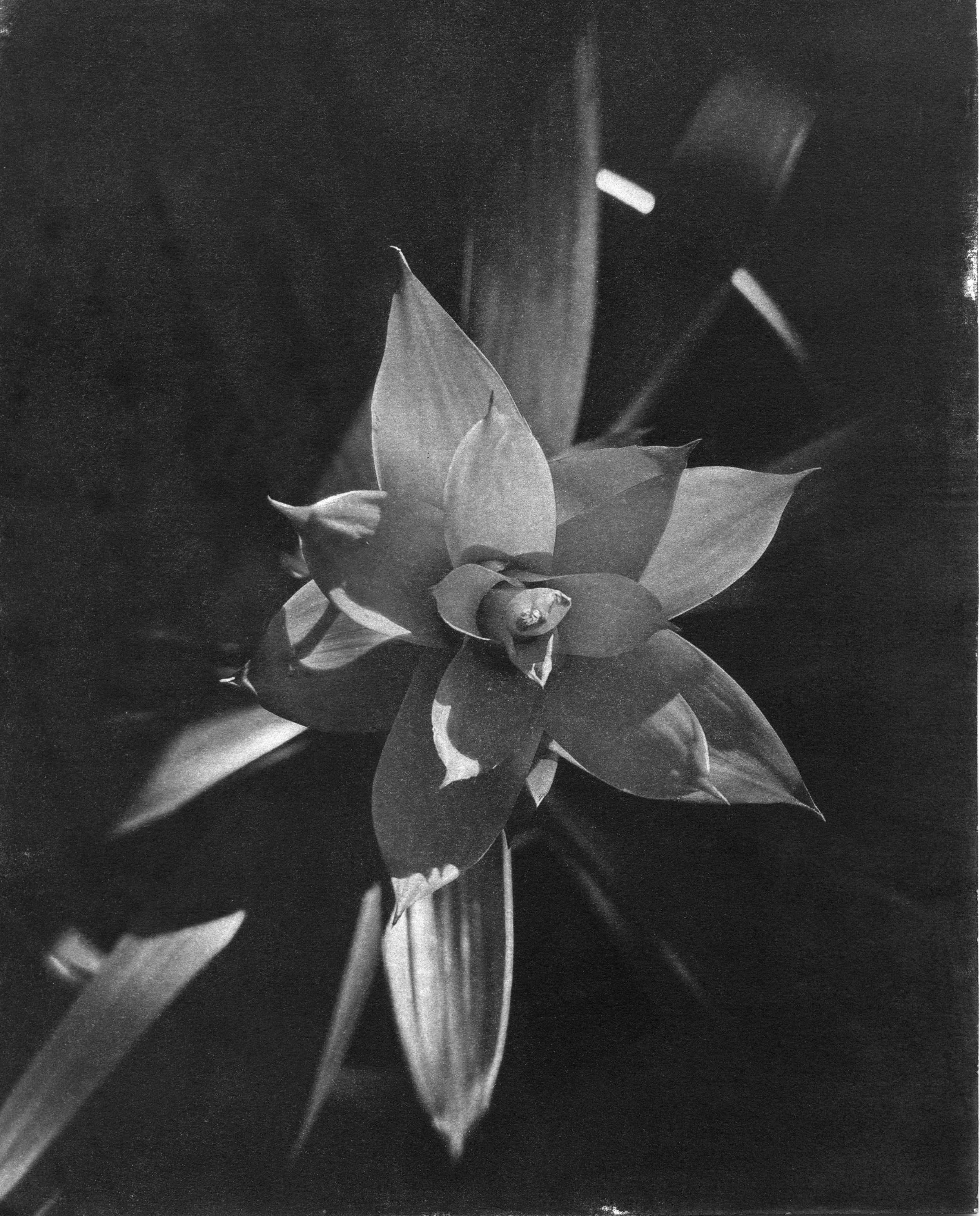
Palladium printing is a handmade photographic process that uses palladium salts instead of silver to create an image on paper. The paper is coated by hand, placed in direct contact with a negative, exposed to ultraviolet light, and then developed and cleared. The process produces soft, matte prints with a wide tonal range, rich detail, and warm gray or brown tones. Because the image is formed with a durable metal, palladium prints are also known for their archival quality.
Palladium
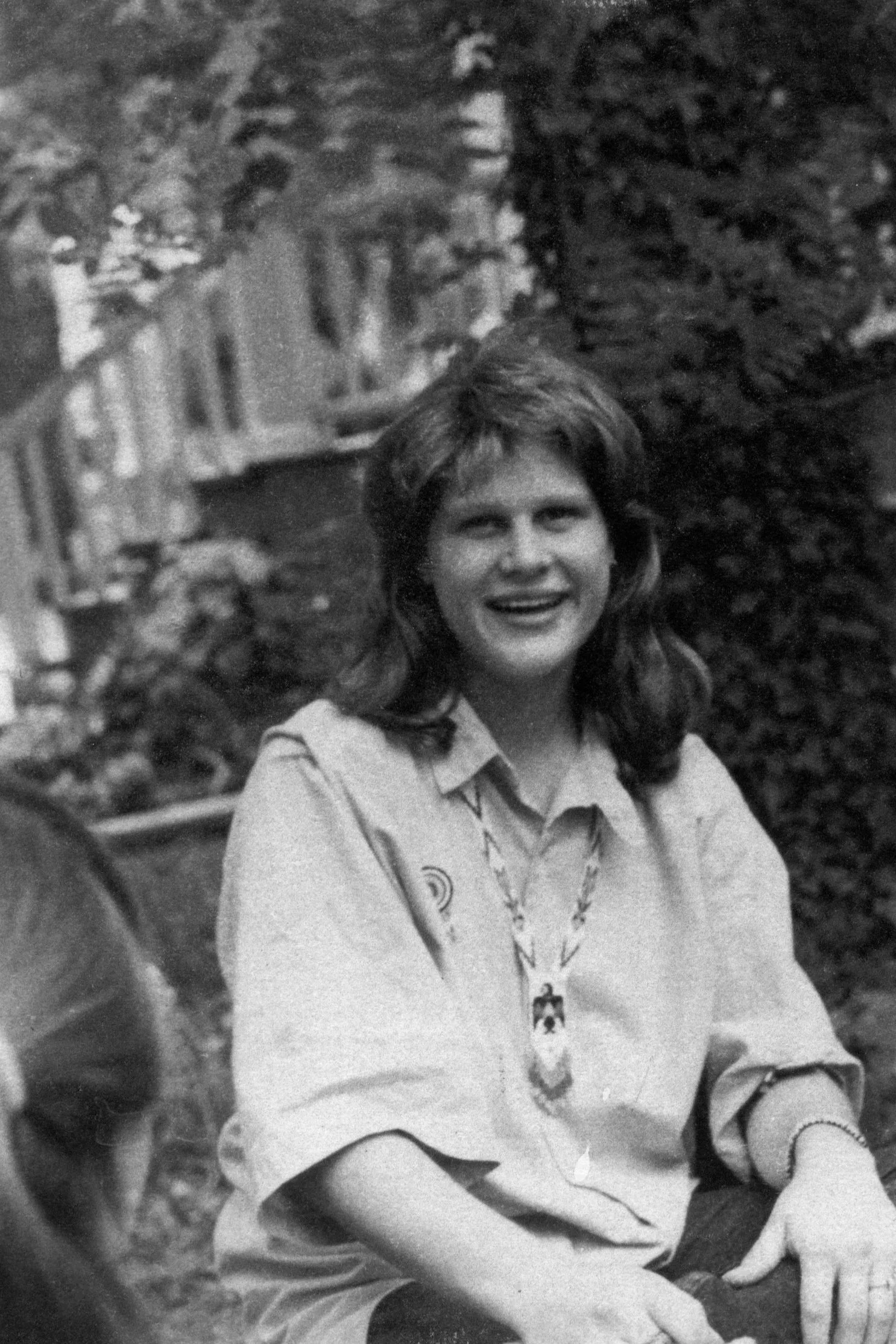
Tintype is a historic wet-plate photographic process that creates a direct positive image on a dark metal plate. The plate is coated with collodion, sensitized in silver nitrate, exposed in the camera while still wet, and then developed and sealed by hand. The process produces detailed, one-of-a-kind photographs with deep contrast, visible texture, and small imperfections that become part of the finished image.
Tintype